

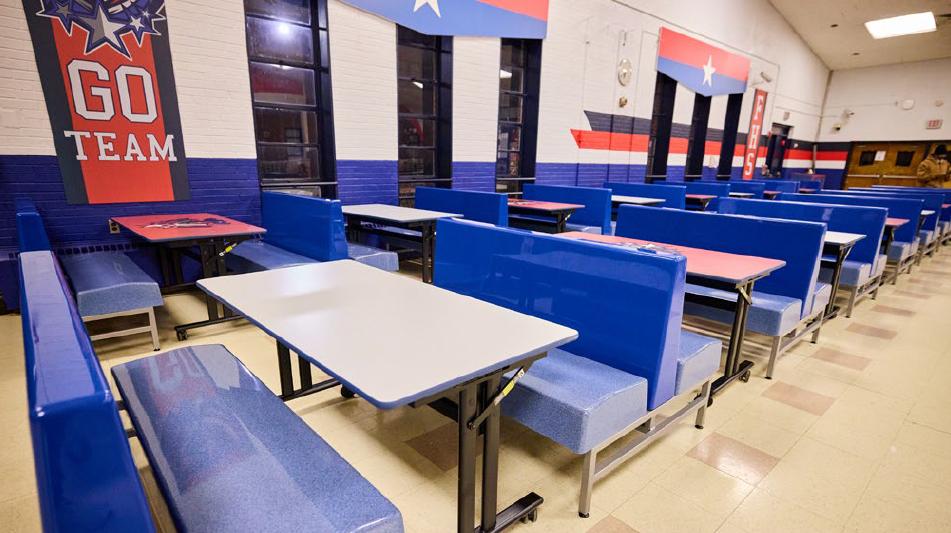
When it comes to designing dining spaces that balance comfort, seating efficiency, traffic flow, and visual appeal, booth seating continues to stand out as a smart, high-performing solution. Whether in school cafeterias, restaurants, lounges, or multipurpose dining environments, booths offer a unique combination of privacy, durability, and space optimization that traditional table-and-chair layouts often struggle to match.
For school nutrition directors, hospitality managers, and facility directors, the right commercial booth seating strategy can directly impact guest satisfaction, operational efficiency, and long-term return on investment.
In this guide, we’ll break down what you need to know about selecting and implementing booth seating, including layout planning, upholstery options, and maintenance considerations.
Why Booth Seating Continues to Be a Smart Investment
Booth seating isn’t just a design choice. It’s a functional solution built for real-world dining environments. In many cases, booth seating is a better option than a table and chairs.
Here are three reasons why it continues to gain popularity across industries:
1. Enhanced Guest Comfort and Privacy
Booths naturally create a more engaging dining experience. Guests tend to stay longer and feel more comfortable in booth settings, which can translate into higher satisfaction and repeat visits.
High backs and defined seating areas help reduce noise and visual distractions, making them ideal for:
- School cafeterias
- University dining halls
- Corporate cafeterias
- Hotel dining spaces
2. Efficient Use of Space
Compared to traditional seating layouts, booths allow you to maximize available square footage. In high-volume environments, this efficiency can make a measurable difference in capacity and service speed.
Booths:
- Fit neatly along walls or in rows
- Reduce wasted space between tables
- Enable more consistent traffic flow
3. Built for High-Traffic Durability
Active dining spaces demand furniture that can handle constant use. Well-designed commercial booth seating uses durable materials and construction methods to withstand:
- Frequent turnover
- Heavy daily use
- Cleaning and sanitation routines
For example, SICO® booths are built with steel frames, high-quality seat materials, and durable finishes designed for long-term performance in even the most demanding environments.
Key Considerations When Choosing Booth Seating
Selecting the right booth seating goes beyond aesthetics. It requires a practical understanding of how your space operates.
1. Layout and Configuration Flexibility
One of the biggest advantages of booth seating is its adaptability. Modern systems offer a wide range of configurations, including:
- Single and double booths
- Straight runs for wall placement
- Curved and radius layouts for collaborative seating
- Serpentine or circular arrangements for dynamic spaces
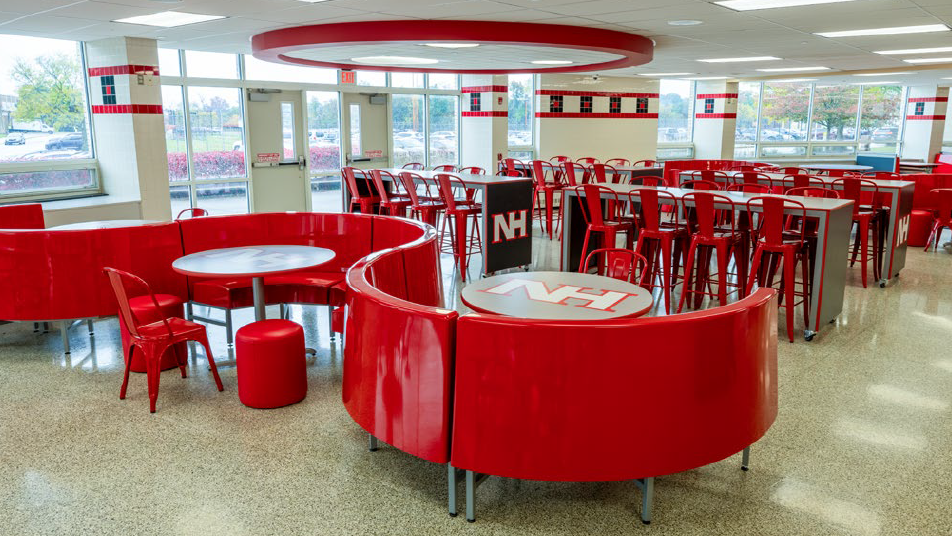
SICO booths, for example, are available in multiple configurations such as 1/4 circle, 1/2 circle, 3/4 circle, and serpentine layouts, allowing designers to create flexible, multi-use environments.
Pro tip: Start with your traffic flow and service model, then build your layout around those operational needs. This is a critical step in effective booth design.
2. Booth Dimensions and Specs
Beyond layout style, it’s important to plan around actual booth dimensions so your seating works with table sizes, circulation space, and the overall flow of the room. SICO booth models are available in several standard lengths designed to align with accompanying table sizes, with an 18-inch seat height across the line for a consistent dining experience. Back heights vary by model, allowing designers to choose between a more open look and added privacy and separation.
These dimensional differences matter in real projects. A taller back, such as Rochester’s 39-inch profile, can help create a stronger sense of privacy and visual separation. Slightly lower-back models like Lexington or Austin can support a more open feel while still delivering comfort and structure. Radius and serpentine options also make it easier to soften traffic patterns and create collaborative seating zones in cafeterias, commons, and multi-use dining spaces.
3. Upholstery and Material Selection
Material choices play a major role in both comfort and maintenance. Common booth material options include:
- Upholstered seating for comfort and warmth
- Fiberglass or laminate surfaces for durability and easy cleaning
- Hybrid combinations for balance

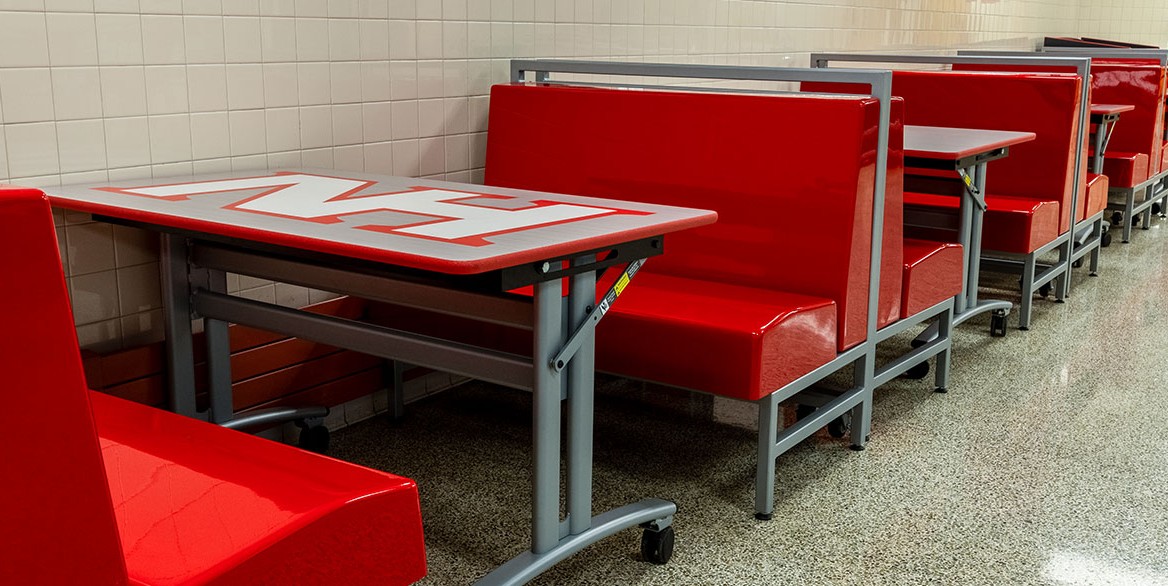
SICO booths offer upholstered or fiberglass seat and back options, along with laminate back panels for added durability and design flexibility.
4. Finish and Color Customization
Today’s dining spaces often need to reflect brand identity. With a wide range of finish options available, you can tailor booths to match your environment.
SICO booth finish options include:
- Powder-coated frame finishes in a variety of colours
- Fiberglass gel coat and polystone finishes
- Extensive fabric selections in multiple tones and textures
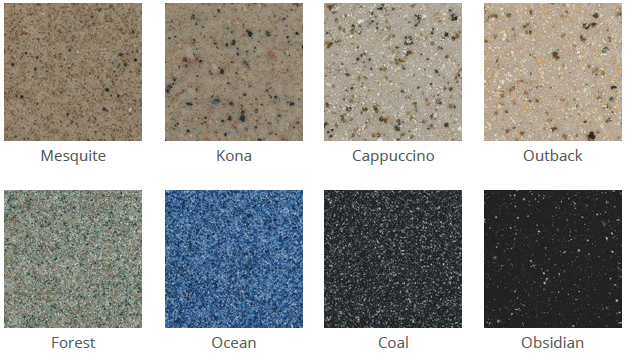
This level of customization allows you to:
- Align with brand colors
- Create visual zones within a space
- Enhance the overall dining atmosphere
Pro tip: Choose darker or patterned fabrics in high-traffic areas to better conceal wear over time.
5. Mobility and Operational Efficiency
In multipurpose environments, flexibility is key. These capabilities allow staff to quickly reconfigure spaces for different uses, from daily dining to events or group seating.
Some booth designs incorporate features like:
- Rolling or swivel casters
- Folding configurations
- Modular layouts
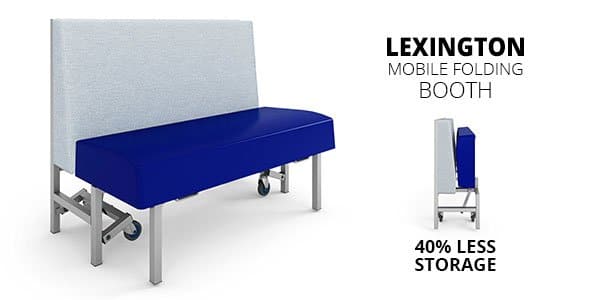
SICO offers booth options such as single units with rolling casters and folding designs, helping teams adapt layouts with minimal labor.
Designing Booth Seating for Different Environments
Booth seating isn’t one-size-fits-all. The ideal solution depends on how your space is used.
Cafeterias and Educational Spaces
Cafeteria booth seating supports social interaction while maintaining organized traffic flow. Priorities shift toward:
- High durability for heavy daily use
- Easy cleaning and maintenance
- Flexible layouts for changing schedules
Hospitality Venues
Booths are a core component of effective booth seating for broader hospitality seating solutions, helping create a more premium dining experience while maximizing seating capacity.
Focus on:
- Guest comfort and privacy
- Aesthetic appeal and brand alignment
- Durable, easy-to-clean materials
Corporate and Institutional Dining
Booths can support both quick meals and longer collaborative conversations, making them ideal for workplace dining. These environments benefit from:
- Clean, modern design
- Efficient space planning
- Multi-use functionality
Maintenance and Long-Term Performance
Durability is only part of the equation. Easy maintenance is just as important. When evaluating booth seating, consider:
Cleanliness
Look for:
- Non-porous surfaces
- Stain-resistant fabrics
- Smooth edges and minimal seams
These features simplify daily cleaning and support hygiene standards.
Repair and Replacement
Modular designs can make it easier to:
- Replace individual components
- Update finishes over time
- Extend product lifespan
Lifecycle Value
While upfront cost matters, long-term ROI is often the bigger factor. High-quality commercial booth seating delivers value through:
- Reduced replacement frequency
- Lower maintenance costs
- Consistent performance over time
Bringing it All Together
Booth seating plays a critical role in shaping the dining experience. When thoughtfully selected and designed, it can:
- Improve guest comfort and satisfaction
- Increase seating efficiency
- Support smoother operations
- Reinforce your brand’s look and feel
With the right combination of materials, layout, and customization, booths become more than just seating—they become a core part of how your space functions and a key part of your overall seating solutions strategy.
Explore Booth Seating Solutions Built for Real-World Performance
If you’re looking to enhance your dining space with flexible, durable, and customizable booth seating, it’s worth exploring solutions designed specifically for commercial environments.
SICO booths are engineered to support high-traffic use while offering the flexibility and design options today’s spaces demand, from multiple configurations to a wide range of finishes and materials.
Whether you’re designing a cafeteria or upgrading a multi-use space, the right booth seating can make a measurable difference for both your guests and your operations.


