

How to Use Crowd Control Barriers to Enhance Event Safety and Comfort
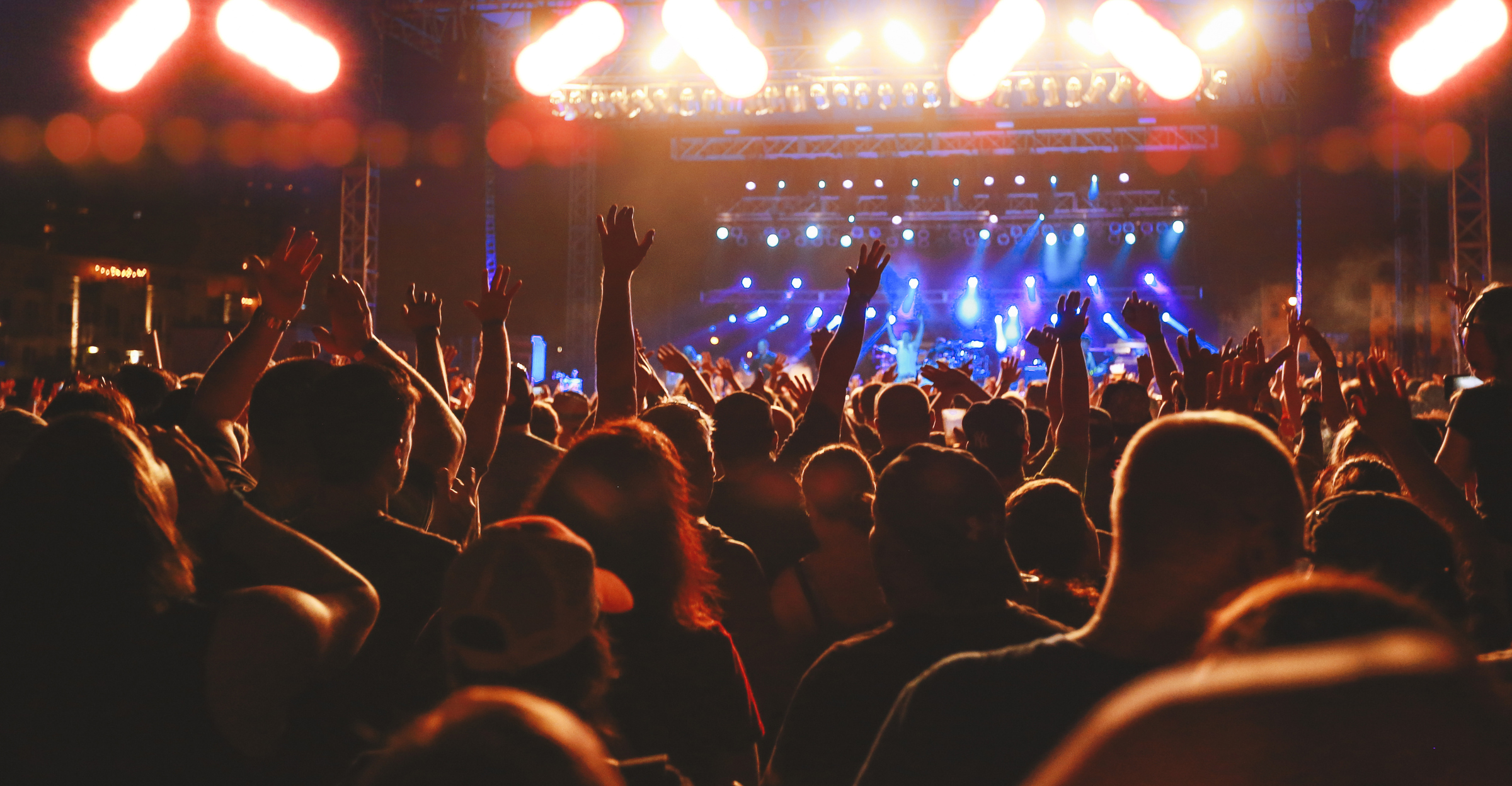
Managing a successful event is more than filling a venue. It is about helping people move safely, comfortably, and confidently from the moment they arrive until the moment they leave.
Whether you are planning a concert, conference, school event, sporting event, banquet, or a large public gathering, crowd control barriers play a critical role in protecting guests, supporting staff, and creating a better overall experience.
When crowd flow is not planned well, problems can appear quickly. Entrances become congested. Lines spill into walkways. Restricted areas become unclear. Security teams have fewer visual cues to guide people. Guests feel uncertain about where to go next.
The right crowd control barricades and queue solutions help solve these challenges by organizing movement, defining boundaries, and reducing confusion. They improve event safety by guiding foot traffic, separating guests from restricted areas, reducing congestion, and creating clear entry, exit, and waiting zones. When paired with signage, staff direction, and emergency access planning, barriers help guests move more confidently through concerts, conferences, school events, stadiums, and banquet spaces.
Why Crowd Control Barriers Are Essential for Event Safety
Crowds naturally move toward entrances, exits, concessions, restrooms, seating areas, stages, registration desks, and high-interest activity zones. Without clear pathways, people may gather in the wrong places, block access points, or create unnecessary pressure in busy areas.
Effective crowd control helps event teams:
- Direct foot traffic more clearly
- Reduce congestion at key transition points
- Separate guests from restricted or staff-only areas
- Support security visibility
- Improve guest comfort and confidence
- Create a more organized experience from start to finish
At its best, crowd management feels almost invisible. Guests simply know where to stand, where to walk, where to enter, and where not to go. That clarity is a major part of event safety.
Use Barriers to Guide, Not Just Block
One of the most common mistakes in crowd planning is thinking of barriers only as a way to keep people out. In reality, the most effective barriers also guide people in the right direction.
Well-placed crowd control barriers can help create:
- Clear entrance and exit lanes
- Defined waiting areas
- Safe separation between guests and performers
- Security zones near stages or presentation areas
- Service paths for staff, vendors, or emergency access
- Perimeter boundaries for ticketed or restricted areas
For example, a concert or assembly may require strong barriers near the stage, while a registration area may need lighter queue guidance to manage check-in lines. The goal is to match the level of control to the level of risk, traffic, and activity in each part of the venue.
Know the Difference Between Barriers and Queue Lines
Not every crowd management situation calls for the same solution. In many event spaces, a combination of barrier systems and queue lines works best.
Crowd Control Barriers
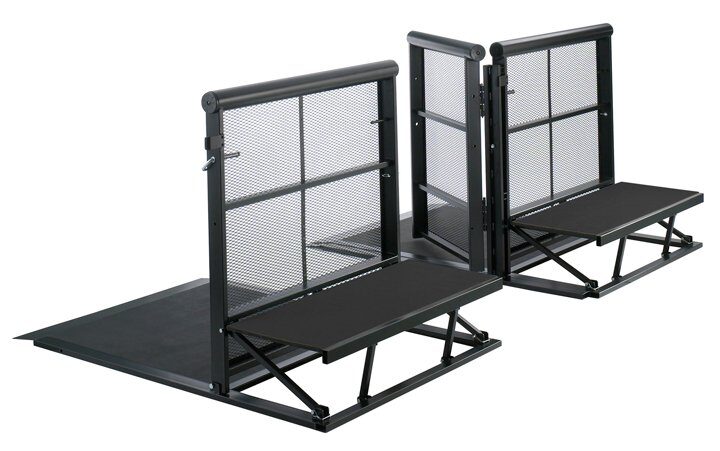
Crowd control barriers are typically used when the space needs stronger separation, added stability, or support for security teams. They are useful near stages, performance areas, restricted zones, or high-density gathering points.
SICO® Crowd Control Barriers are designed as portable, folding, freestanding units with welded steel tubing for strength and long-term performance. The system includes mesh panel sections, a black polyester powder-coated finish, unit-to-unit locks, pass-through gate options, expanded metal uprights, and durable barrier flooring.
Queue Lines
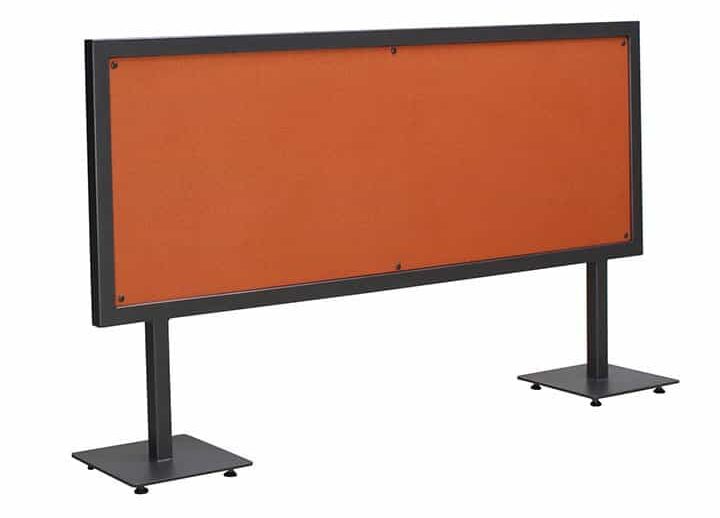
Queue lines are designed to organize movement and reduce traffic congestion. They are especially useful for:
- Ticketing areas
- Registration desks
- Cafeteria or concession lines
- Entrances and exits
- Security screening areas
- Information desks
- Merchandise tables
SICO Queue Lines feature freestanding metal frames, powder-coat finishes, two-sided laminate divider panels, square metal base plates, and customizable panel options. They can be set up or converted quickly to highlight entrances, restrict areas, and improve line flow in busy spaces.
Together, barriers and queue lines help teams create a crowd management plan that feels structured without feeling overly restrictive.
Plan for Staff Access and Security Visibility
Crowd management is not only about guests. It also affects the people responsible for keeping the event running smoothly.
Security staff, operations teams, production crews, custodial teams, and emergency personnel all need clear access routes. If barriers are placed without considering staff movement, they can accidentally create obstacles.
When planning barrier placement, ask:
- Where do staff need to enter and exit?
- Which areas require controlled access?
- Does security need a clear line of sight?
- Are emergency routes open and visible?
- Will teams need to move equipment through the area?
- Are pass-through points located where staff actually need them?
SICO Crowd Control Barriers include pass-through gate options and a continuous rear security step when units are sectioned together. This helps support security personnel while maintaining a defined guest-facing boundary.
For stage areas, performance zones, and high-density viewing areas, these details can make a meaningful difference in both safety and staff effectiveness.
Reduce Congestion Before it Happens
Overcrowding usually forms where decision points and high traffic meet. Common trouble spots include:
- Main entrances
- Ticket scanning areas
- Registration tables
- Concession lines
- Restroom corridors
- Stairways and ramps
- Seating section entrances
- Exits after the event ends
The best way to reduce congestion is to plan guest movement before the event begins. Barriers and queue lines should create an intuitive path that keeps people moving without confusion.
A good layout should answer three guest questions quickly:
- Where do I go?
- Where do I wait?
- Where am I not supposed to go?
When those answers are clear, guests feel more comfortable, and staff spend less time redirecting people.
Match the Solution to the Setting
Different event environments require different crowd control strategies.
1. Concerts and Performances
Concerts often require stronger crowd control barricades near stages, production areas, and performer access points. Barrier systems can help separate guests from equipment, create security zones, and support staff positioned near the front of the crowd.
2. Conferences and Trade Shows
Conferences need a clear, flexible flow. Queue lines can help manage registration, session entry, meal service, and exhibitor traffic. Barriers can help restrict back-of-house areas or guide attendees through larger venue layouts.
3. Schools and Campus Events
School events often involve multipurpose spaces that shift from assemblies to performances, sporting events, dining, and community activities. Portable barriers and queue lines help staff adapt the space quickly while supporting student and visitor safety.
4. Stadiums, Arenas, and Large Venues
Large venues need solutions that support crowd flow at scale. This may include queues at entry points, barriers near restricted areas, and clear separation between guest areas and operational zones.
5. Hospitality and Banquet Events
Hotels, resorts, and banquet spaces often need crowd control that looks clean and professional. Queue lines can define check-in areas, buffet flow, coat check lines, or event entrances without disrupting the overall guest experience.
Think About Barrier Storage and Setup
Event equipment needs to work when it is in use and stay manageable when it’s not. If barriers are difficult to store or move, teams may be less likely to use them properly.
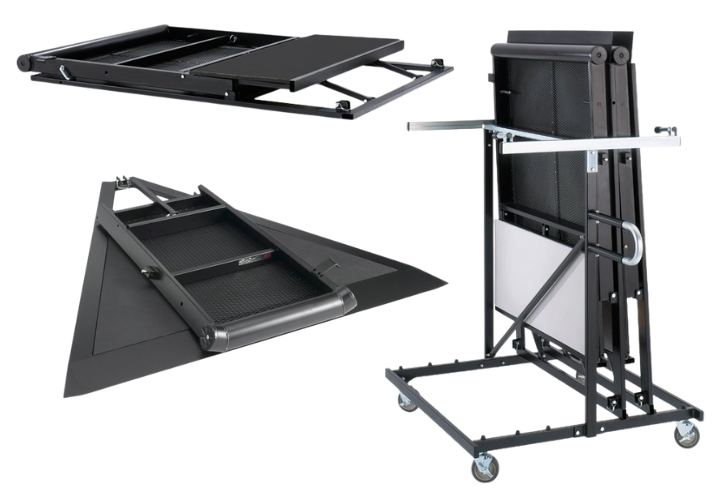
SICO Crowd Control Barriers fold flat and can be placed onto caddies to roll into and out of service. This supports faster setup, easier teardown, and more efficient storage between events. For venues with frequent layout changes, that flexibility can help teams save time while maintaining a consistent safety plan.
Queue lines are also designed for practical setup, with freestanding frames and base plates that allow teams to define pathways or restricted areas as needed.
Use Customization to Support Communication
Crowd control does not have to feel generic. Customizable panels and finishes can help barriers and queue lines support the look and function of the space.
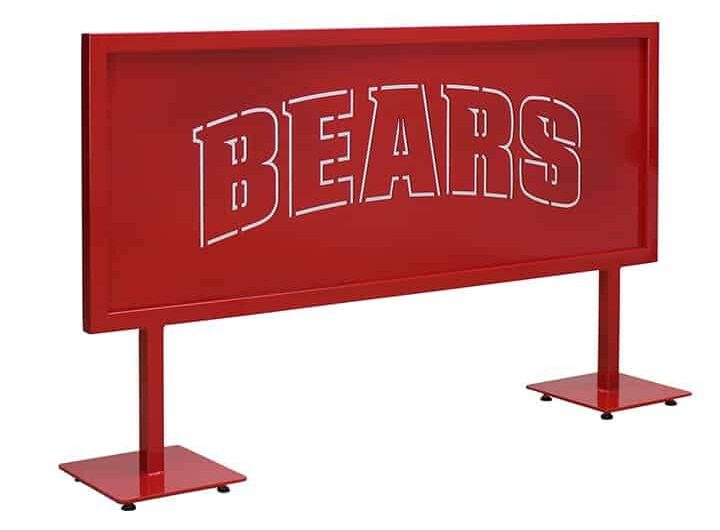
Customizable queue line panels can be used to:
- Highlight entrances
- Reinforce school or venue branding
- Identify restricted areas
- Create a more polished guest-facing appearance
- Coordinate with surrounding furniture or finishes
When the design feels intentional, crowd control becomes part of the environment rather than an afterthought.
Build a Better Guest Experience Through Safer Flow
Great event planning considers how people feel as they move through the space. A crowded entrance, confusing line, or unclear boundary can create frustration quickly. On the other hand, a well-organized layout helps guests feel confident and cared for.
The right crowd control solutions can help event teams improve safety while also enhancing comfort. They provide structure without unnecessary friction, support staff without creating clutter, and help large groups move through the space more naturally.
For venues, schools, hospitality teams, and event managers, that combination is essential.
Ready to Improve Safety, Comfort, and Flow at Your Next Event?
Crowd management is one of the most important parts of creating a safe, comfortable, and well-run event. With the right mix of crowd control barriers, queue lines, and thoughtful layout planning, you can reduce congestion, improve guest flow, and support a better experience for everyone in the space.
SICO crowd control solutions are built for the real demands of high-traffic environments, with durable construction, portable designs, storage-friendly features, and customizable options that help teams adapt from one event to the next.
Browse all SICO crowd control solutions and find the right products for your venue, layout, and crowd management needs.


